Find Rest Areas Near Me
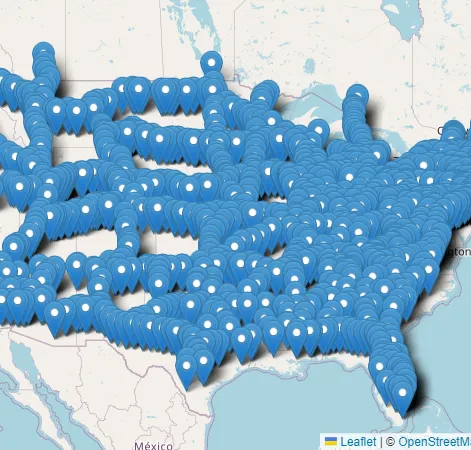
Planning a road trip or driving long-distance today? Regular breaks keep you alert and safe. Use our rest area finder to locate the closest rest areas, rest stops, welcome centers and service plazas along your route — with exit numbers, amenities, truck and RV parking, and 24-hour stops. We track 1773 rest areas across 79 interstate highways in the United States, updated regularly so you always know what to expect at your next stop.
Find Rest Stops by State
Select a state to see every rest area and rest stop along all covered interstate highways, including facility details, exit numbers, and nearby gas stations.
- Alabama
- Arizona
- Arkansas
- California
- Colorado
- Connecticut
- Delaware
- Florida
- Georgia
- Idaho
- Illinois
- Indiana
- Iowa
- Kansas
- Kentucky
- Louisiana
- Maine
- Maryland
- Massachusetts
- Michigan
- Minnesota
- Mississippi
- Missouri
- Montana
- Nebraska
- Nevada
- New Hampshire
- New Jersey
- New Mexico
- New York
- North Carolina
- North Dakota
- Ohio
- Oklahoma
- Oregon
- Pennsylvania
- Rhode Island
- South Carolina
- South Dakota
- Tennessee
- Texas
- Utah
- Vermont
- Virginia
- Washington
- West Virginia
- Wisconsin
- Wyoming
Find Rest Stops by Interstate Highway
Browse all 79 US interstates for a complete list of rest areas grouped by state, with exact exit and mile-marker locations, maps, and one-tap directions.
- Interstate 4
- Interstate 5
- Interstate 8
- Interstate 10
- Interstate 15
- Interstate 16
- Interstate 17
- Interstate 19
- Interstate 20
- Interstate 24
- Interstate 25
- Interstate 26
- Interstate 27
- Interstate 29
- Interstate 30
- Interstate 35
- Interstate 37
- Interstate 39
- Interstate 40
- Interstate 41
- Interstate 43
- Interstate 44
- Interstate 45
- Interstate 49
- Interstate 55
- Interstate 57
- Interstate 59
- Interstate 64
- Interstate 65
- Interstate 66
- Interstate 68
- Interstate 69
- Interstate 70
- Interstate 71
- Interstate 72
- Interstate 74
- Interstate 75
- Interstate 76
- Interstate 77
- Interstate 78
- Interstate 79
- Interstate 80
- Interstate 81
- Interstate 82
- Interstate 83
- Interstate 84
- Interstate 85
- Interstate 86
- Interstate 87
- Interstate 88
- Interstate 89
- Interstate 90
- Interstate 91
- Interstate 93
- Interstate 94
- Interstate 95
- Interstate 96
- Interstate 135
- Interstate 155
- Interstate 185
- Interstate 195
- Interstate 196
- Interstate 205
- Interstate 270
- Interstate 271
- Interstate 275
- Interstate 276
- Interstate 280
- Interstate 294
- Interstate 295
- Interstate 335
- Interstate 380
- Interstate 385
- Interstate 390
- Interstate 395
- Interstate 475
- Interstate 476
- Interstate 495
- Interstate 880
What Is a Rest Area?
A rest area is a roadside facility built and maintained along a highway or interstate so drivers can stop safely, use the restroom, and take a break from driving. Most rest areas in the United States are operated by state departments of transportation (DOTs) and are free to use. A typical rest area includes restrooms, parking for cars and trucks, picnic tables, vending machines, and pet relief areas, and many add water fountains, travel maps, and accessible facilities. Rest areas exist primarily for safety: they give tired drivers a clearly marked place to pull over and recharge, which helps reduce fatigue-related crashes on long trips. They are meant for short-term stops rather than extended stays or camping. Every rest area listing on our site shows the exact interstate, direction of travel, exit or mile marker, and the amenities available on site, so you know what to expect before you pull off the road.
What Is a Rest Stop?
"Rest stop" is the everyday term people use for almost any roadside place to pause during a drive, and it covers several different facility types. Public rest areas maintained by state DOTs are the most common and are free. Turnpike and tollway service plazas are larger stops that often add fuel, restaurants, and convenience stores, while private truck stops cater to commercial drivers with showers, laundry, and overnight parking. Because the word covers all of these, a search for a "rest stop near me" can return very different kinds of places. That's why our listings label each location by type and show its amenities, parking, and hours, so you can quickly tell whether a stop has what you need. Whether you want a quick restroom break, a place to stretch your legs and walk a pet, or a full-service plaza with food and fuel, you can compare nearby rest stops side by side before choosing where to exit.
What Is a Welcome Center?
A welcome center is a staffed travel facility, usually located just inside a state line or near a major highway entrance, that combines the basics of a rest area with visitor information services. Alongside restrooms, parking, and picnic areas, welcome centers offer printed maps, brochures, and staff who can answer questions about local attractions, lodging, road conditions, and safety advisories. They are often the best first stop when you cross into a new state, because you can pick up regional travel information and official DOT updates in one place. Many welcome centers keep extended or year-round hours and include accessible parking, vending, and pet areas. On our site, welcome centers are labeled separately from standard rest areas, so if you specifically want traveler information and a staffed stop, you can find welcome centers along your interstate route rather than sorting through every roadside facility.
How to Find the Closest Rest Area Near You
Finding the closest rest area takes just a few seconds. Tap the "Find rest areas near me" button near the top of this page to use your current location, and you'll see the nearest rest areas and rest stops listed by distance, each with its interstate, direction of travel, and exit or mile marker. If you'd rather plan ahead, browse by state or by interstate highway to see every facility along your route in order. Each result includes the on-site amenities and one-tap directions that open in your maps app, so you can navigate straight to your stop. Because rest area spacing varies from state to state, knowing where the next stop is before you need it makes long drives far less stressful. We recommend checking your route in advance and noting a couple of options, especially on rural stretches where rest areas can be 60 miles or more apart.
Rest Areas with Truck Parking
For professional drivers, finding a rest area with enough truck parking can be the difference between a legal, well-rested break and circling for an open spot at midnight. Our listings flag rest areas with designated truck parking, long-vehicle spaces, and lots that allow overnight stays, so you can plan a stop that fits your hours-of-service schedule before you run out of drive time. Truck parking at public rest areas fills up quickly in the evening, so it helps to identify two or three options along your interstate rather than relying on a single stop. Where available, we also show amenities that matter on a long haul, such as restrooms, vending, and pet areas. Use the state and interstate pages to map out truck-friendly rest areas across major freight corridors like I-10, I-80, and I-95, and reduce the guesswork of finding safe, legal parking.
RV-Friendly Rest Areas & Dump Stations
RV travelers have specific needs at a rest stop, and our listings help you find them before you exit the highway. Look for rest areas with oversized or pull-through parking that can accommodate a motorhome or trailer, potable water for refilling tanks, and dump stations for emptying gray and black water. Not every public rest area offers a dump station, so identifying which ones do along your route saves time and avoids unpleasant surprises. We also note pet areas and picnic facilities that make a stop more comfortable for families traveling by RV. Because rules on length of stay and overnight parking vary by state and facility, always check the notes on each listing and any posted signs. Browse by state or interstate to plan RV-friendly stops in advance, and pair shorter daytime breaks with a fuller-service location when you need water or a dump station.
Can You Sleep Overnight at a Rest Area?
Whether you can sleep overnight at a rest area depends on the state and the specific facility. Some states explicitly allow short-term overnight parking so fatigued drivers can rest, and many welcome centers and turnpike service plazas permit longer stops. Other states limit how long you can stay — often posted as a maximum of a few hours — to discourage long-term parking and camping. Commercial drivers should follow federal hours-of-service rules and use designated truck parking where it's provided. The safest approach is to check the posted signs at the facility and the notes on each listing before you settle in for the night, and when in doubt, choose a well-lit, busier rest area or a 24-hour service plaza. If you're planning a route where overnight rest is likely, look for stops that clearly allow extended parking rather than risking a knock on the window in the middle of the night.
Finding 24-Hour Rest Stops
Many rest areas in the United States are open 24 hours a day, but not all of them — some close overnight or run on seasonal hours, and a few shut for maintenance or budget reasons. If you drive at night or are crossing a long rural stretch, it's worth confirming that your planned stop is actually open when you'll arrive. Our listings show operating hours per location where that information is available, so you can find 24-hour rest stops near you and along your interstate before you set out. Night drivers should also favor well-lit, staffed, or busier stops for added safety. When a rest area near you is closed overnight, a nearby turnpike service plaza or truck stop is often the best 24-hour alternative, and our state and interstate pages make it easy to line up an open stop further down the road.
Rest Stops vs. Truck Stops vs. Service Plazas
It's easy to mix up rest stops, truck stops, and service plazas, but they serve different purposes. A public rest area (or rest stop) is a free, state-maintained facility with restrooms, parking, and basic amenities, intended for short breaks. A truck stop is a privately owned business built mainly for commercial drivers, offering fuel, food, showers, and overnight truck parking — anyone can use one, but they're geared toward big rigs. A service plaza, sometimes called a travel plaza, sits on a toll road or turnpike and combines elements of both, with fuel, restaurants, restrooms, and retail in one stop that's often accessible without leaving the highway. Knowing the difference helps you pick the right stop: choose a public rest area for a quick, free break, a truck stop when you need showers or diesel, and a service plaza when you want full amenities without exiting. Our listings identify each type so you can choose with confidence.
Tips for Using Rest Areas Safely
A few simple habits make rest area stops safer and more pleasant. Plan ahead and know where your next stop is before you need it, especially at night or on rural routes where facilities can be far apart. When you pull in, choose a well-lit, busier area and park where you can see other travelers rather than in an isolated corner. Lock your vehicle, keep valuables out of sight, and stay aware of your surroundings, particularly during overnight stops. Take the chance to stretch, hydrate, and walk around — even a few minutes of movement helps reduce fatigue on a long drive. If you're traveling with children or pets, supervise them closely in parking lots and use designated pet zones where provided. Finally, treat the facility with care and report any maintenance or safety issues to the managing agency. Checking a rest area's amenities and hours in advance, using the listings on this site, takes the guesswork out of every stop.
Frequently Asked Questions
How do I find the closest rest area near me?
Tap "Find rest areas near me" to use your location, or browse by state or interstate to see the nearest rest areas, rest stops, and welcome centers along your route.
Are rest areas free to use?
Public rest areas maintained by state DOTs are free. Turnpike service plazas and private truck stops may charge for some services like fuel, food, or showers.
What amenities can I expect at a rest area?
Listings show restrooms, parking, picnic areas, water, vending, pet areas, truck and RV parking, dump stations, and accessibility features where available.
Are rest areas open 24 hours?
Many rest areas are open 24/7, but some have limited or seasonal hours. Check the hours listed for each location.
Can I sleep overnight at a rest area?
It depends on the state and facility. Some allow short-term overnight stops; others restrict length of stay. Check posted signs and the notes on each listing.
Do rest areas have truck or RV parking?
Many do. Listings flag truck parking, long-vehicle spaces, RV-friendly parking, and dump stations so you can plan ahead.
How do I get directions to a rest area?
Open any rest area and tap "Get Directions" to navigate via Google Maps or Apple Maps.
What's the difference between a rest area, a rest stop, and a welcome center?
"Rest stop" is the general term; a rest area is a DOT-maintained roadside facility; a welcome center is a staffed information facility, usually near a state border.
How accurate is the rest area information?
We collect and update facility data regularly, including amenities, exit/mile-marker locations, and nearby gas stations. Always verify hours and status before traveling.
How far apart are rest areas on the interstate?
Spacing varies by state and highway, typically every 40-80 miles. See our interstate guides for exact rest area locations along each route.
Data updated October 2026